Do Matching Activewear Sets Actually Make Workouts Feel Better, or Is It Just Marketing?
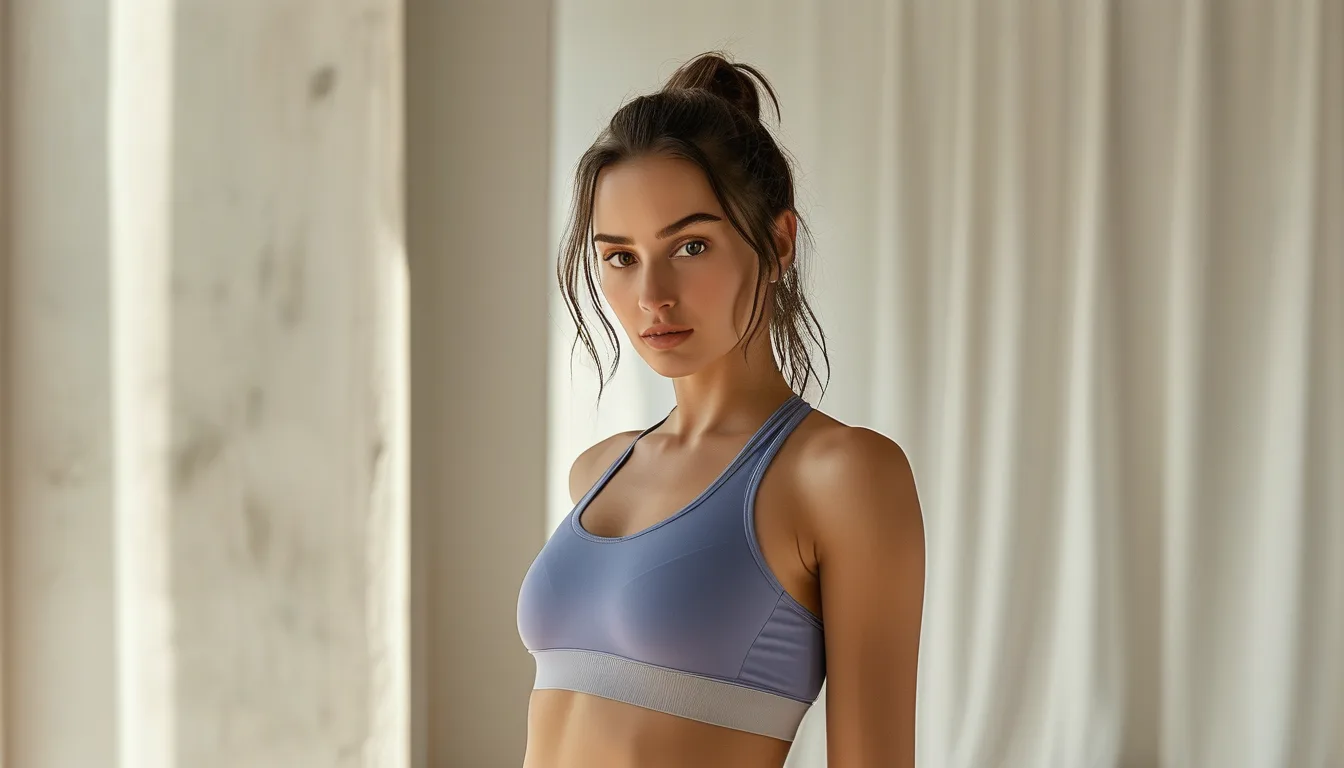
Quick Answer: Matching activewear sets don’t physically improve performance, but there’s a real, studied psychological effect called enclothed cognition where feeling put-together and confident in your clothing measurably influences motivation and workout consistency — the effect is modest but genuine, not purely marketing spin.
The fitness benefit of a matching set isn’t in the fabric — it’s in the small, real confidence boost that gets you to actually show up.

What is enclothed cognition, and is it actually real research?
Yes, it’s a documented psychological phenomenon — studies show that what you wear measurably affects cognitive performance and mindset, based on both the physical experience of the clothing and the symbolic meaning you attach to it. Feeling ‘put together’ in coordinated activewear can genuinely shift motivation, even though the fabric itself has no performance properties.
Does this mean the specific brand or price matters for the effect?
No — the psychological effect comes from personal perception, not price tag. A budget matching set that makes you feel confident and ready produces the same enclothed cognition benefit as an expensive one; the effect is about your own relationship to the outfit, not its cost.

Is there a risk of over-relying on this effect?
Yes, to a point — if motivation becomes contingent on having a specific ‘perfect’ outfit, missing that outfit can become an excuse to skip a workout entirely. The healthiest version of this effect is a nice-to-have boost, not a mandatory precondition for showing up.
Myth vs Fact: Matching Activewear Sets
Myth: Matching sets are purely a marketing trend with zero real basis. Fact: The underlying enclothed cognition effect is genuinely studied psychology, even if brands lean on it heavily in marketing.
Myth: You need matching sets specifically for this psychological effect. Fact: Any clothing that makes you feel confident and prepared can trigger a similar effect — matching isn’t a strict requirement.
Myth: The effect is purely placebo and doesn’t matter. Fact: Even if partly attributable to expectation, a genuine motivation and consistency boost is a real, useful outcome regardless of mechanism.
FAQ: Matching Activewear Sets, Answered
Is it worth spending more for a matching set versus mixing pieces?
Only if the higher price genuinely improves how confident or comfortable you feel — the psychological benefit doesn’t require premium pricing to work.
Does this effect apply to other areas of a workout routine too?
Yes — similar confidence-and-mindset effects show up with well-fitted gym shoes or a favorite training playlist, not just clothing.
Should beginners specifically invest in matching sets to build a habit?
It can genuinely help early on when motivation is still fragile, though it shouldn’t become the sole factor determining whether a workout happens.
TL;DR:
- Matching sets don’t physically improve performance, but the psychology is real
- Enclothed cognition is documented research, not purely marketing spin
- The effect works regardless of price — it’s about personal perception, not cost
- Don’t let motivation become contingent on having one specific ‘perfect’ outfit
A matching set isn’t magic — it’s a small, legitimate nudge that can genuinely help you show up more consistently.
Keep Reading
This article is for general informational and styling purposes only. Fit, sizing, and product availability may vary.