Why You Often Need Two Different Sizes in One Matching Set
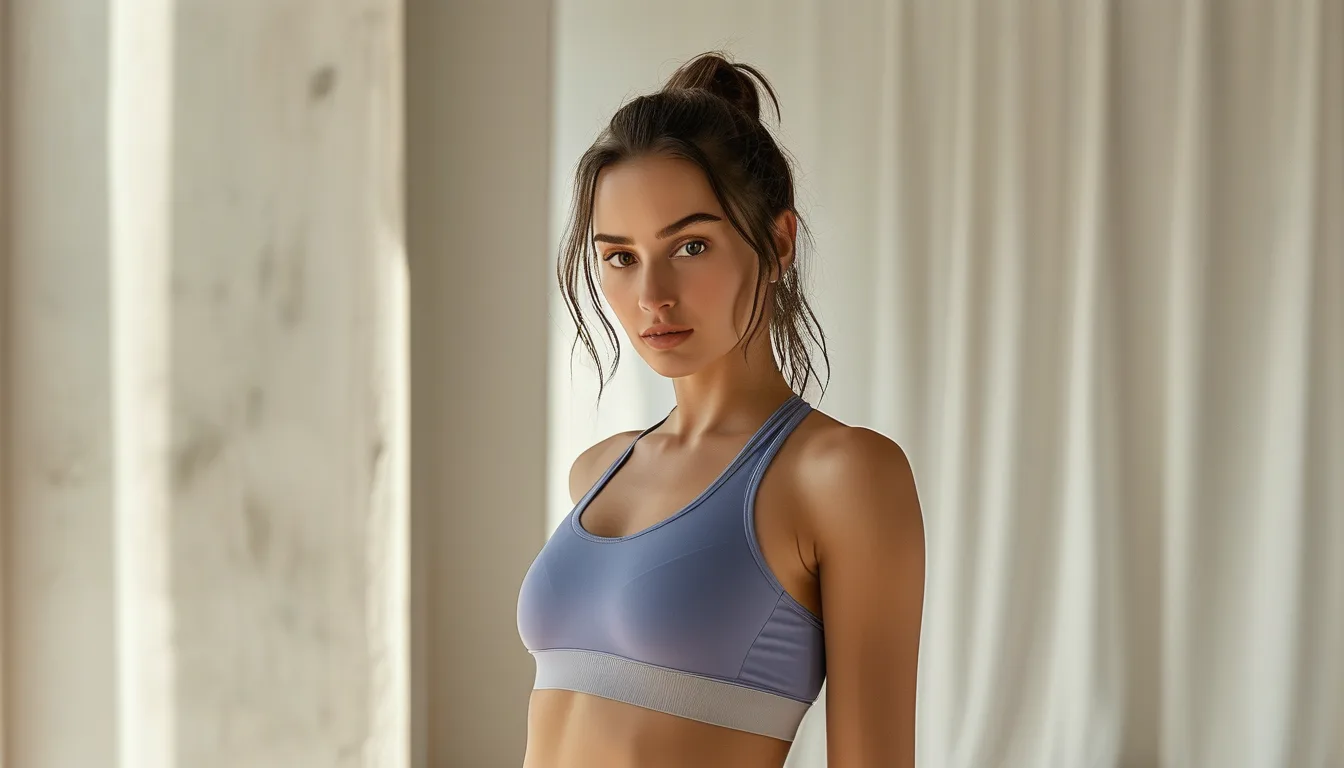
Quick Answer: Matching sets are graded from one body model, so the top and bottom scale together in fixed proportion. If your hip-to-bust difference is more than about two sizes on the brand’s own chart, no single set size fits both halves. The workaround is buying the pieces as separates where the brand allows it, sizing to the harder-to-alter piece, and treating small mismatches as a hemming or strap-adjustment problem rather than a size problem.
The top fits beautifully. The leggings dig in at the waistband. Or the reverse — perfect leggings, a bra top that gaps at the underband. You size up and now one half swims. This is not you being an awkward shape. It is a grading decision made in a design studio months ago.
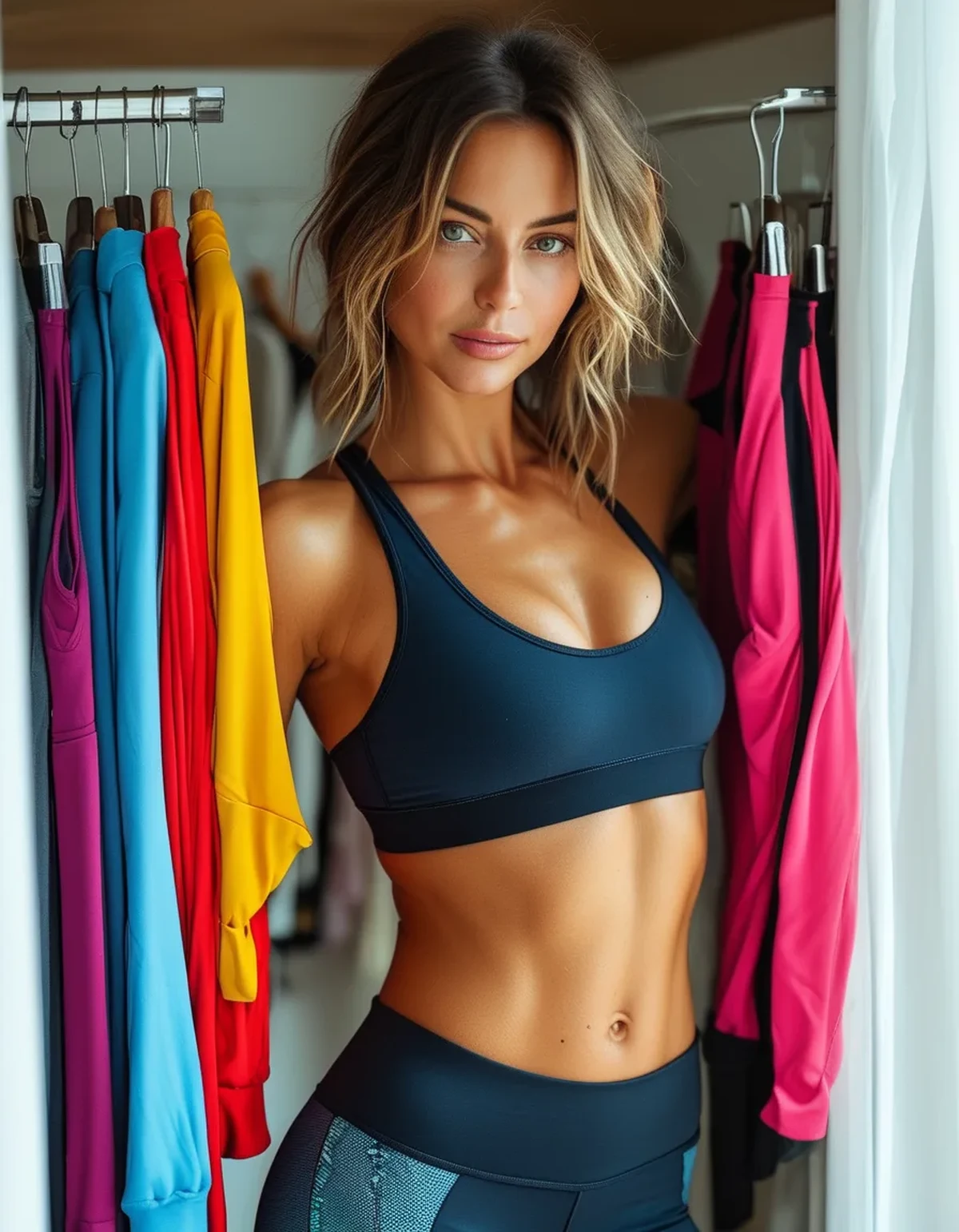
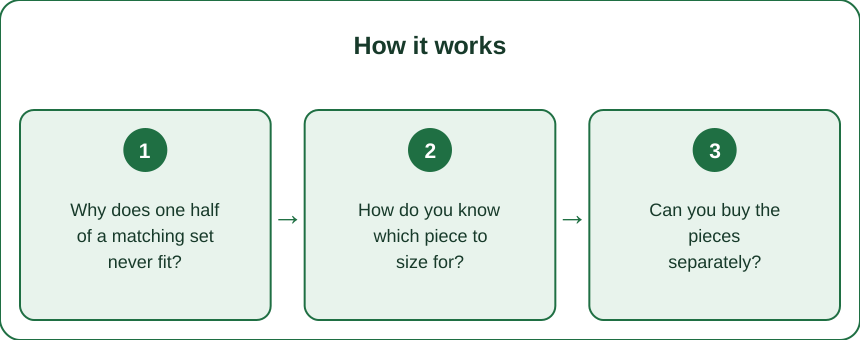
Why does one half of a matching set never fit?
Every brand builds its size range from a single fit model, usually one person around a size M or 8. Every other size is scaled from that body using a grading rule — add this many centimetres to the bust per size, this many to the waist, this many to the hip.
That rule assumes your proportions stay constant as you go up or down the range. Real bodies do not scale uniformly. Someone who is a 6 on top and a 10 on the bottom is completely ordinary, and no set size will land on both numbers.
Sets make this worse than separates do because the two pieces are locked together at purchase. With separates you self-correct without thinking about it. With a set you are forced to accept the brand’s assumption about how your top half relates to your bottom half.
The fabric compounds it. Compression knits stretch to hide a one-size mismatch, so a two-way stretch top over a four-way stretch legging will hide the discrepancy in one piece and reveal it in the other.
How do you know which piece to size for?
Size for whichever piece is harder to fix after purchase.
Leggings win in almost every case. A waistband that is too tight cannot be let out, and one that is too loose rolls down through every squat. A too-long inseam can be hemmed for around $12 to $20; a too-tight rise cannot be solved at all.
Tops are more forgiving. Adjustable straps, a slightly loose bust, and a hem that sits a little long are all livable or fixable. A bra top with a fixed band is the exception — that band is structural, and if it rides up, no amount of strap adjustment saves it.
So the rule: if you are between sizes, buy the set that fits your hips and waist correctly, and plan to adjust the top. If the top is a fixed-band bra style, reverse the rule and expect to tailor or accept the bottoms.
Can you buy the pieces separately?
Often yes, and most people never check.
Many brands list the set as a bundle at a small discount but also sell each piece individually on separate product pages. The bundle usually saves 10 to 15 percent, which is real but rarely worth a piece that does not fit and will sit unworn.
Search the exact style name plus the word legging or bra rather than browsing the sets category. Sets pages are merchandised for the bundle and often hide the individual listings entirely.
When a brand truly only sells the bundle, check the return policy for partial returns. Some allow you to return one half of a set; many do not, and finding out after the fact is an expensive lesson. If partial returns are not allowed, order two sets in adjacent sizes, keep the halves that fit, and return the rest as complete sets.
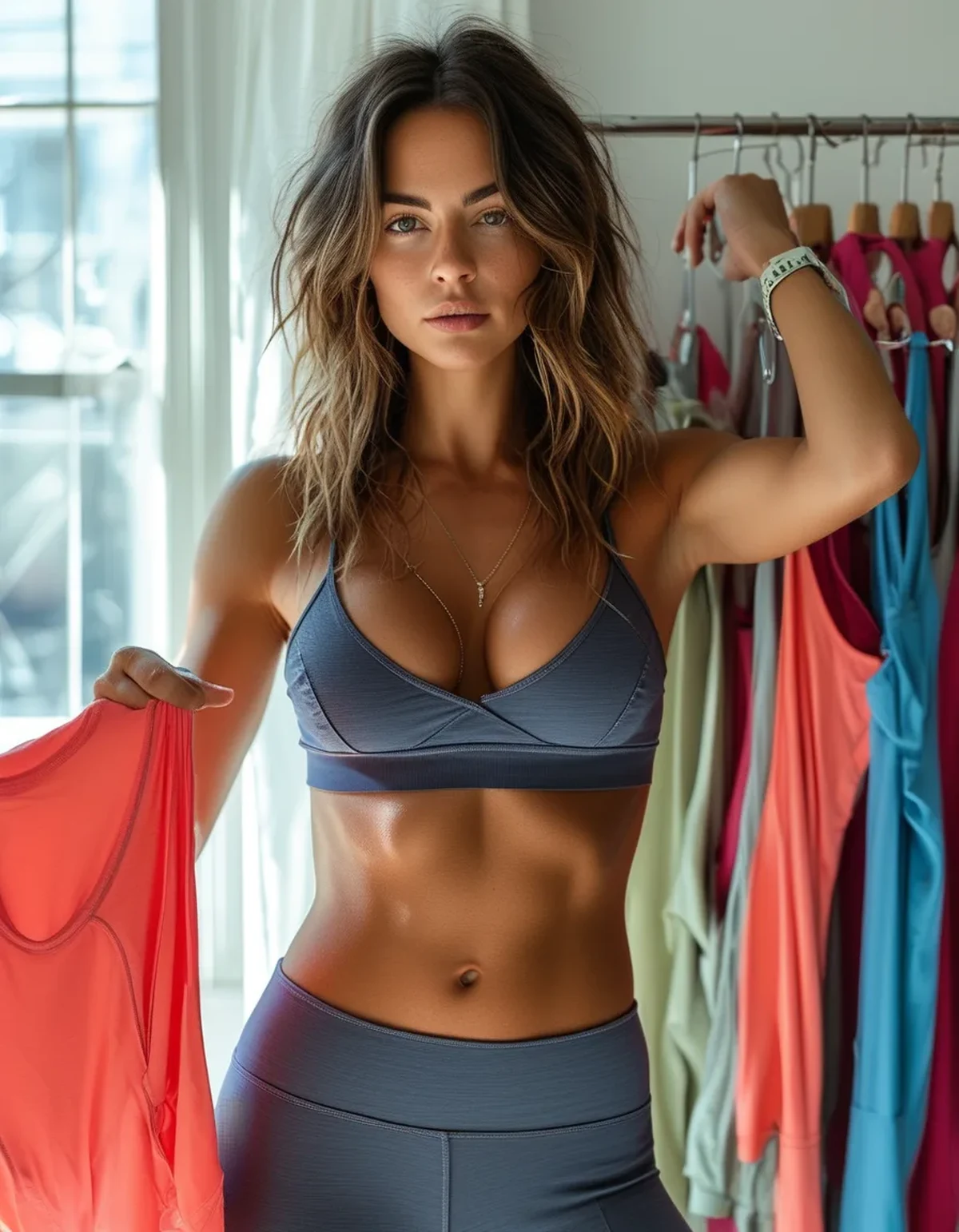
5 Mistakes That Make Set Sizing Worse
1. Ordering your usual size from a new brand. Set grading varies more between brands than standalone pieces do, because sets are often designed by a different team on a different fit block.
2. Sizing up to fix a tight waistband. You fix the waist and lose the compression that made the leggings work. A size up in the same style usually means a longer rise and a looser thigh, which reads sloppy under a fitted top.
3. Judging fit standing still in front of a mirror. Squat, reach overhead, and sit down before you decide. Waistband roll and underband ride-up only show up under movement.
4. Assuming the top and bottom use the same fabric. Many sets pair a lighter knit top with a heavier compression bottom. Same size label, completely different stretch behavior.
5. Keeping a mismatched set because it was on sale. The one nobody admits. A set you never wear cost more per wear than the full-price one you reach for weekly.
What about transitional weather sets?
Late August into September is when sets get tested hardest, because you start layering them.
A set that fits under a jacket is a different sizing question than a set worn alone. The moment you add an overshirt or a light knit, a slightly loose top disappears under the layer — which means the piece you were about to return might be perfectly fine for fall wear.
Longer sleeves also change the calculus. If you are moving from a bra-top set to a long-sleeve set for cooler mornings, arm and shoulder grading enters the picture, and shoulder fit does not stretch. Check that seam placement sits on the edge of your shoulder, not down your upper arm.
And if you are buying a fleece-backed set for autumn, size with the lining in mind. Brushed interiors take up real space, and a set that fit in a summer weight will feel a half-size tighter in the fall version of the same style.
FAQ: Matching Set Sizing Questions, Answered
Is it obvious if the two pieces are different sizes?
No, in almost every case. Size labels are inside the garment, and the pieces are cut from the same fabric and colorway. Nobody can tell a size 6 top from a size 10 legging when they are dyed the same shade.
Should I size up or down when a set only comes in S/M/L?
Size to your larger measurement, then adjust. Broad-sizing sets have wider tolerance built in, so the larger option usually works with a strap tightening or a hem, while the smaller one just does not fit.
Do matching sets shrink unevenly in the wash?
They can, if the two pieces use different fabric blends. A cotton-blend top paired with a polyester-spandex legging will shrink at different rates over a season. Wash cold and skip the dryer for both pieces to keep them aging at the same pace.
TL;DR:
- Sets are graded from one fit model, so they only work if your proportions match that model’s ratio.
- Size for the leggings first — waistbands and rises cannot be altered, tops usually can.
- Check whether the brand sells the pieces individually before buying the bundle; the discount rarely justifies a bad fit.
- Test fit with a squat and an overhead reach, not standing still in the mirror.
The set is supposed to make getting dressed easier. If yours is fighting you at the waistband every session, the answer is almost never a different set — it is two sizes, quietly, and nobody will ever know.
See It in Motion
Seen here: Racerback Tank Top - White — shop similar styles on bubblelime.com
Keep Reading
This article is for general informational and styling purposes only. Fit, sizing, and product availability may vary.